
California’s Fire Reality: Why Renters Can’t Afford to Skip Insurance
Living in California means living with the constant hum of wildfire season. It’s a reality from the dry brush of Ventura County to the canyons above Los Angeles, stretching east into the Inland Empire. For homeowners, the threat of fire is a well-understood, if terrifying, part of life. But for renters? Many don’t quite connect the dots. They figure the landlord has insurance, so they’re covered. That’s a big, expensive mistake.
Honestly, fire damage isn’t just about the big, named wildfires that dominate the news. It could be a kitchen fire from a faulty appliance. Maybe a neighbor’s unit catches fire, and yours gets smoke damage. Or, yes, a brush fire jumps a highway and takes out a whole neighborhood, like we’ve seen too many times in places like Paradise or Santa Rosa. In any of these scenarios, if you’re a renter, your landlord’s insurance won’t protect your stuff. Not a single thing.
What Renters Insurance Actually Covers When Fire Strikes
Renters insurance isn’t some luxury. It’s a basic necessity, especially in a state like California. Think of it as three main buckets of protection.
Your Personal Property
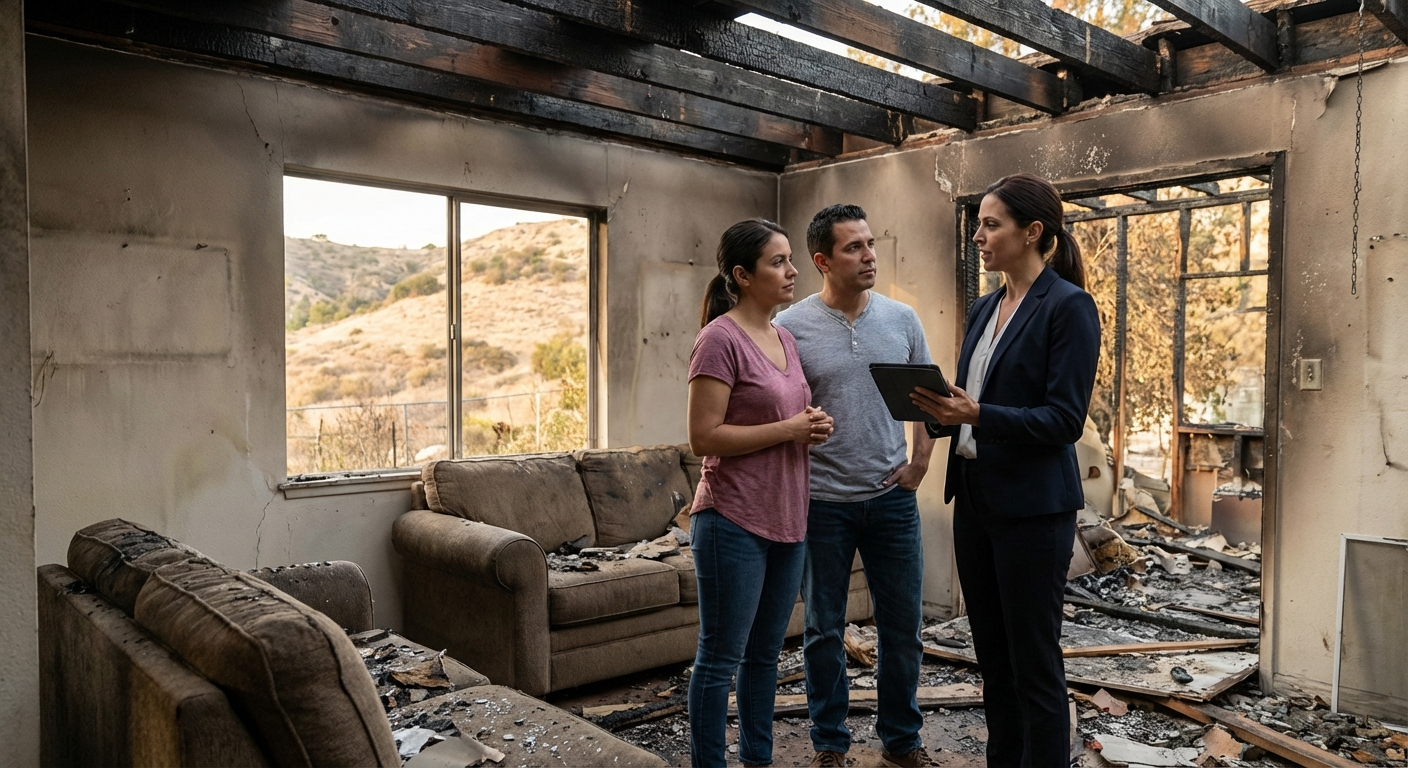
This is the big one for fire. Imagine your apartment goes up in smoke. Everything you own — your clothes, furniture, electronics, sentimental photos, kitchen gadgets, books — gone. Without renters insurance, replacing all of that comes straight out of your pocket. Most policies cover damage from fire, smoke, and even explosions.
People often underestimate the value of their possessions. Try listing everything in just one room. It adds up fast. A decent couch, a TV, a laptop, your wardrobe. Suddenly, you’re looking at tens of thousands of dollars.
Loss of Use (Additional Living Expenses)
Here’s where it gets interesting. What happens if your apartment is uninhabitable after a fire? Where do you go? You can’t just sleep on the street. Your renters policy steps in here, covering your temporary living expenses. This might include a hotel stay, food, laundry, or even the cost of renting a temporary apartment while your place is being repaired or you find a new one.
This part of the policy is a lifesaver. Think about the stress of losing everything, then imagine having to pay for a hotel out-of-pocket for weeks or months. That’s a financial double-whammy nobody needs.
Personal Liability
This one might seem less obvious for fire, but it’s still important. What if *your* accidental kitchen fire spreads and damages a neighbor’s unit? Or causes damage to the building itself? Your landlord’s insurance would likely come after you to recover their costs. That’s called subrogation.
Your renters insurance policy includes liability coverage. It helps pay for legal fees and damages if you’re found responsible for someone else’s injuries or property damage. It’s a good safety net, providing peace of mind.
The Landlord’s Policy vs. Your Policy: A Critical Difference
This is the most common misunderstanding. Many renters assume their landlord’s property insurance will cover them. It won’t. Not ever.
The landlord’s policy protects the physical structure of the building — the walls, roof, plumbing, and their own fixtures. It also covers their liability for incidents on the property, like if a visitor slips and falls in a common area. But it stops at your front door when it comes to your personal belongings. It doesn’t care about your vintage record collection or your expensive bike.
Think of it this way: if your car gets stolen, your homeowner’s insurance doesn’t replace it. You need car insurance for that. The same logic applies to your rented home and your stuff.
Understanding Your Policy: Key Terms for Fire Damage
When you’re looking at a renters policy, a few terms really matter, especially with fire.
Actual Cash Value vs. Replacement Cost
Big difference. Actual Cash Value (ACV) pays you what your stuff was worth *at the time of the fire*, factoring in depreciation. That 5-year-old laptop? You’ll get a fraction of what you paid for it.
Replacement Cost (RCV) is what you want. It pays to replace your damaged items with brand-new ones, without deducting for depreciation. That means a new laptop, not just cash for a used one. It usually costs a bit more, but it’s worth every penny when you’re starting from scratch.
Deductibles
This is the amount you pay out of pocket before your insurance kicks in. If you have a $500 deductible and a fire causes $10,000 in damage, you pay the first $500, and your insurer pays $9,500. Higher deductibles usually mean lower monthly premiums, but make sure you can afford that upfront cost if disaster strikes.
Policy Limits
These are the maximum amounts your policy will pay for different categories of coverage. You’ll have a limit for personal property, a limit for loss of use, and a limit for liability. Make sure your personal property limit is high enough to replace everything you own. If you have particularly expensive items — jewelry, art, high-end electronics — you might need to add a “rider” or “endorsement” to your policy for extra coverage on those specific items.
California’s Unique Fire Landscape and Your Coverage
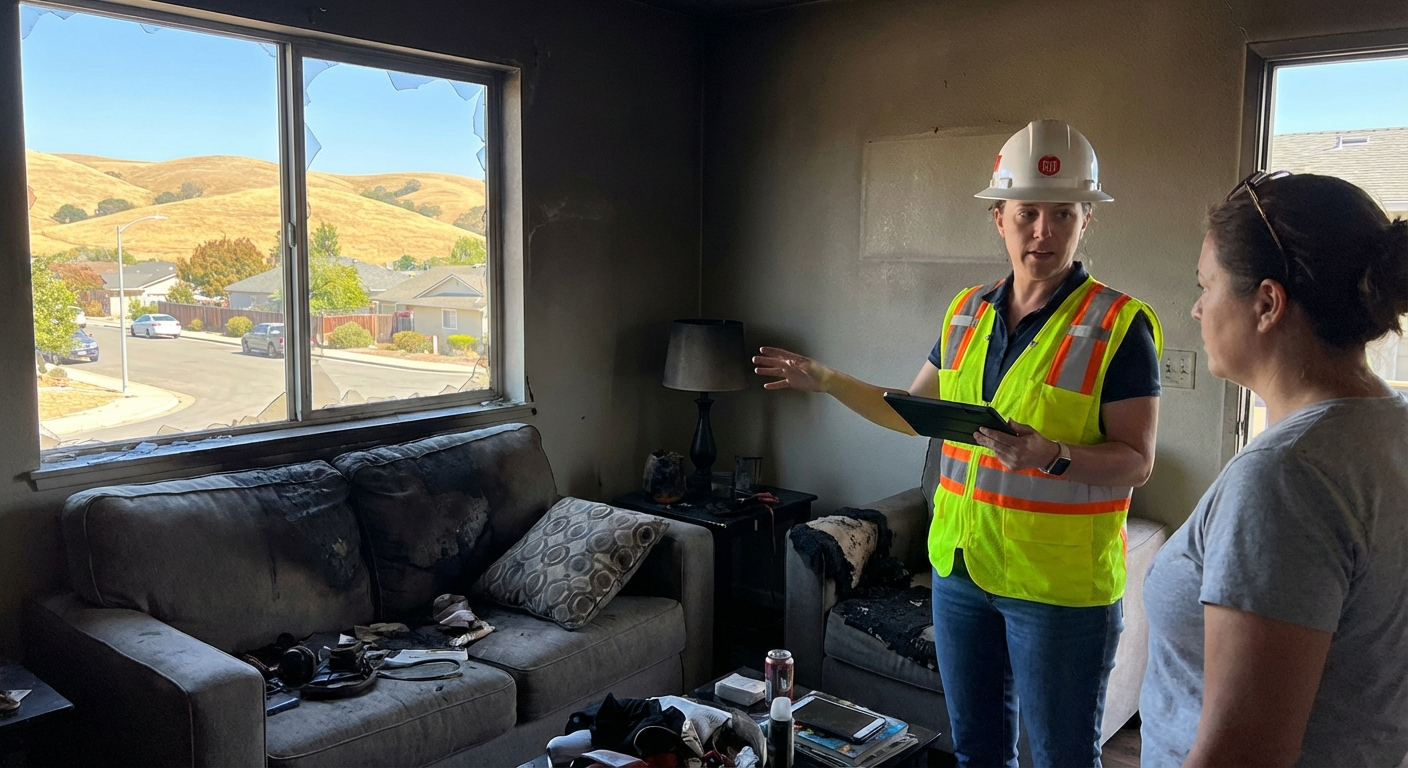
California is a challenging place to insure anything these days. Wildfires have gotten more frequent, more intense, and more destructive. Insurers like State Farm, Allstate, and Farmers have either pulled back from writing new policies or drastically increased rates for homeowners.
This doesn’t always directly impact renters insurance premiums in the same way it does homeowner policies, but it’s part of the broader insurance “landscape” — sorry, that’s a banned word! — it’s part of the general insurance *situation* in California. The market is tighter. It means finding the right policy and understanding the details is more important than ever.
Sometimes, if you’re in a high-risk fire area, some insurers might be hesitant. But renters insurance is generally less risky for them than homeowner policies, as they aren’t insuring the entire structure. Still, it’s wise to work with someone who knows the California market. That’s where an expert like Karl Susman at Affordable Renters Insurance California comes in. He’s seen it all and can help you find options. His CA License #0B75129 means he’s a licensed pro.
Getting a Quote: Don’t Wait Until It’s Too Late
The cost of renters insurance is surprisingly low for the protection it offers. Often, it’s less than your monthly streaming subscriptions. For a few dollars a week, you get peace of mind that could save you tens of thousands of dollars.
Don’t put it off. The time to get renters insurance is *before* the smoke alarm goes off.
Ready to see how affordable it can be? Get a quick, no-obligation quote today: Get Your Renters Insurance Quote
When You Need to File a Fire Damage Claim
If the worst happens and fire damages your rental, here’s what you do:
1. **Safety First:** Get to safety. Your life is more important than your stuff.
2. **Contact Authorities:** Make sure the fire department has done its work and it’s safe to assess.
3. **Notify Your Landlord:** They need to know about the damage to their property.
4. **Contact Your Insurance Agent:** Call Karl Susman at Affordable Renters Insurance California, or your insurer directly, as soon as possible. They’ll guide you through the claims process.
5. **Document Everything:** Take photos and videos of the damage. Make a list of everything lost or damaged. Keep receipts for any temporary living expenses. The more documentation, the smoother the claim.
6. **Don’t Throw Anything Away:** Unless it’s a health hazard, don’t discard damaged items until your adjuster has seen them.
Common Myths About Renters Insurance and Fire
* **”My landlord’s insurance covers me.”** No, it doesn’t. We’ve been over this.
* **”Renters insurance is expensive.”** Not always. It’s often very affordable, especially compared to the cost of replacing everything you own.
* **”I don’t own much, so I don’t need it.”** You own more than you think. And even if your stuff isn’t worth a fortune, the “loss of use” coverage alone is worth it. Where will you live?
* **”It only covers big fires.”** Nope. It covers small fires, kitchen fires, smoke damage, even fire damage from a lightning strike.
Protecting Your Future, One Policy at a Time
The reality of living in California means being prepared. That includes protecting your home, even if you don’t own it. Renters insurance isn’t just a policy; it’s a safety net. It’s the difference between starting over with nothing and starting over with the financial support you need.
Don’t leave your finances to chance. Get protected today.
Click here to get a personalized renters insurance quote.
Frequently Asked Questions About California Renters Insurance and Fire Damage
Q: Does renters insurance cover wildfire damage specifically?
A: Yes, generally. Fire is a covered peril under most standard renters insurance policies, regardless of whether it’s a kitchen fire or a wildfire. Your personal property and additional living expenses would typically be covered, up to your policy limits, if your rental unit is damaged by wildfire.
Q: What if I have really expensive items, like a custom bicycle or high-end electronics?
A: Most standard renters policies have limits on certain categories of items, like jewelry, art, or specialized equipment. If you have particularly valuable items, you might need to add a “rider” or “endorsement” to your policy. This provides extra coverage for those specific items beyond the general limits.
Q: How quickly do I need to file a claim after a fire?
A: As soon as it’s safe to do so. It’s always best to notify your insurance agent or company right away. The sooner you report it, the sooner they can start the claims process and help you with temporary living arrangements if needed.
Q: Can my landlord require me to have renters insurance?
A: Absolutely. Many landlords in California now include a clause in their lease agreements requiring tenants to carry renters insurance. It protects both you and, indirectly, them from potential liability issues. If your lease requires it, you’ll need to show proof of coverage.
Q: What’s the average cost of renters insurance in California?
A: The cost varies quite a bit depending on factors like where you live, the amount of coverage you choose, your deductible, and your claims history. However, it’s often surprisingly affordable, usually ranging from $15 to $30 a month. It’s a small price for significant protection.
This article is for informational purposes only and does not constitute financial advice.