Renters Insurance in California: Apartment vs. House – What’s the Real Difference?
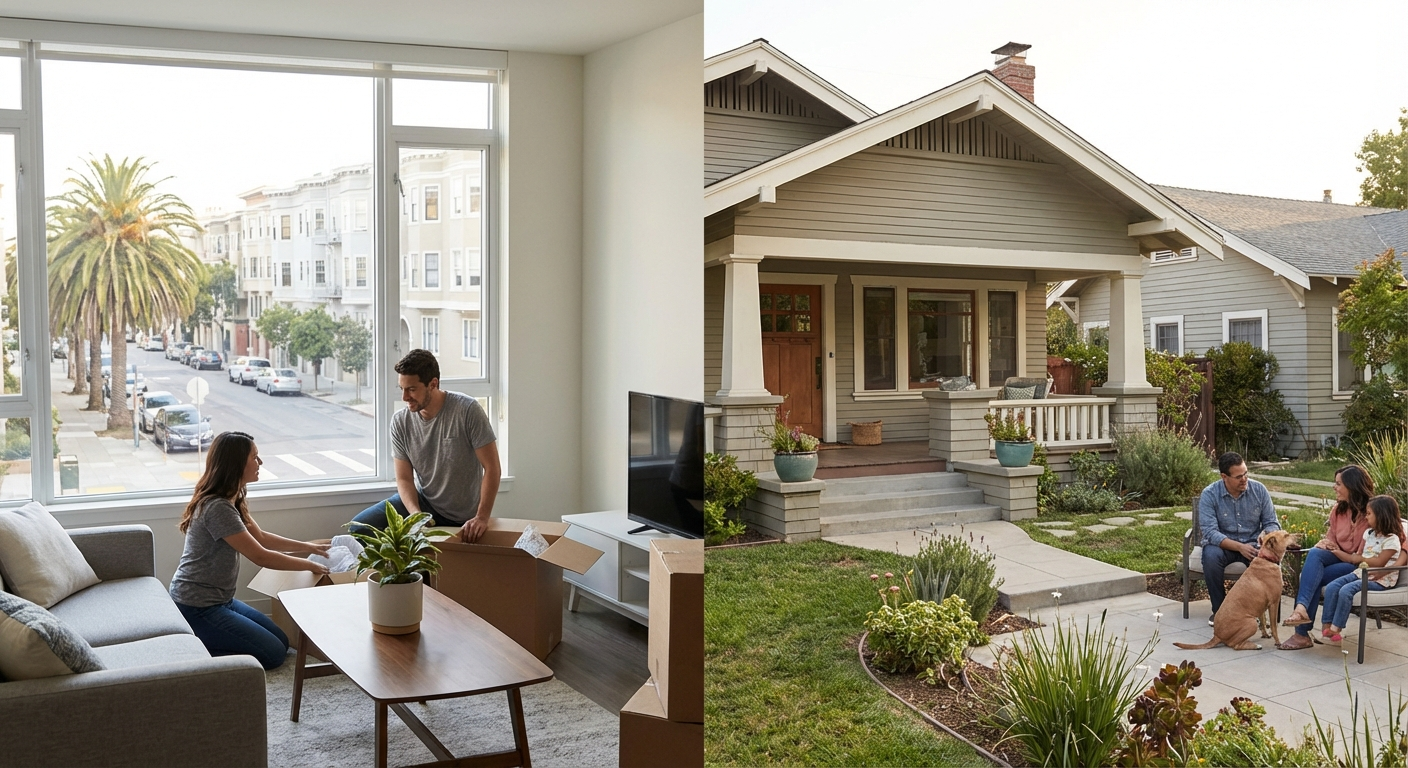
You’re renting in California. Maybe you’ve got a studio in Silver Lake, or a family home with a yard in Orange County. Either way, someone probably told you to get renters insurance. And you nodded. But then you wondered: Is there really a difference between insuring an apartment and insuring a house? Does it matter if you’re in a high-rise in San Francisco or a bungalow in San Diego?
The short answer is yes. The real answer is more complicated. While the core idea of renters insurance – protecting your stuff and your finances if you accidentally hurt someone or damage property – stays the same, the specifics can shift quite a bit depending on whether you’re in an apartment building or a standalone house.
Your Stuff: Personal Property Coverage
Let’s talk about your belongings first. Personal property coverage protects your furniture, clothes, electronics, and everything else you own inside your rented space. This part of the policy often feels pretty similar, whether you’re in an apartment or a house. Your 60-inch TV is a 60-inch TV, no matter the dwelling.
But here’s where it gets interesting. How much stuff do you *really* have? People in houses often accumulate more over time, filling garages and spare rooms. Apartment dwellers might think they have less, but often pack a lot of value into smaller spaces – high-end electronics, designer clothes, specialized hobbies. It’s easy to underestimate the value of your possessions. Many folks just guess, picking a number like $20,000. That’s a mistake. You’d be surprised how quickly the cost of replacing everything adds up. A good rule of thumb? Walk through your place, even open your closets. Take pictures. Make a list.
Another thing to consider is security. Apartment buildings often have shared entryways, sometimes even doormen or secure access. Houses, on the other hand, might have more points of entry, but also private yards. Insurers look at these things. A building with a secure lobby in downtown LA might see slightly different rates than a house in a quieter, more spread-out neighborhood in the Inland Empire.

Liability: When Things Go Wrong
This is where the apartment vs. house distinction really starts to show its teeth. Liability coverage protects you if you accidentally cause injury to someone or damage someone else’s property. Think about it.
In an apartment, you’re living in close quarters. Your unit shares walls, floors, and ceilings with neighbors. What if your washing machine hose bursts and floods the unit below? Or you leave a candle burning, and it sets off the sprinklers, causing water damage to three other apartments? That’s a huge headache. And a huge bill. Your landlord’s insurance won’t cover your liability for that damage. It’s on you.
Now, in a house, you typically don’t have neighbors directly below or above you. The risks are different. What if a guest trips on a loose rug on your porch and breaks an arm? Or your dog, even a friendly one, nips a delivery person? These are scenarios where your liability coverage would kick in. The potential for damage to *other units* is lower in a house, but the potential for injury to guests on your property remains.
Some landlords, especially for apartments, actually *require* tenants to carry a certain amount of liability coverage – often $100,000 or $300,000. They’re trying to protect themselves from your mistakes. It’s smart.
Additional Living Expenses (ALE): When You Can’t Stay Home
Imagine a fire starts in your kitchen – not necessarily your fault, maybe faulty wiring – and your apartment or house becomes unlivable. Where do you go? Who pays for it? That’s what Additional Living Expenses, or ALE, coverage is for. It covers the cost of a hotel, temporary rental, restaurant meals, and other increased living costs while your place is being repaired.
In California, this coverage is absolutely essential. We live in a state prone to natural disasters. Think about the wildfires that sweep through parts of Ventura County or the Valley every year. If you’re forced to evacuate and can’t return home for weeks, ALE can be a lifesaver.
The amount of ALE you might need could vary. If you’re in a highly desirable area like Santa Monica, finding a temporary place could be incredibly expensive. If you’re in a more rural part of Northern California, options might be fewer but potentially cheaper. It’s not about the type of dwelling, but more about the local market and how long you might be displaced.
California’s Unique Risks: Wildfires, Earthquakes, and More
Living in California means living with certain realities. Wildfires are a big one. Mudslides in hillside communities after heavy rains are another. And then there are earthquakes.
Standard renters insurance policies, whether for an apartment or a house, *do not* cover earthquake damage. Not for your stuff, not for your additional living expenses. For that, you need a separate earthquake policy, usually from the California Earthquake Authority (CEA) or a private insurer. It’s an extra cost, but honestly, it’s something every renter in California should seriously consider. We’re on the San Andreas Fault, after all.
Wildfires, however, are generally covered by standard renters policies. If your apartment building or rented house is damaged or destroyed by a wildfire, your personal property and ALE coverage would kick in. But wait — insurers are getting pickier. If you’re renting a house in a high-fire-risk zone, like parts of Malibu or the Sierra foothills, you might find fewer options or higher premiums. Some insurers, like State Farm or Farmers, have even pulled back from offering new policies in certain areas. That’s not the whole story. The California FAIR Plan can be a last resort for property insurance, but it’s not a full-service insurer and often costs more.
What Drives the Cost?
So, does renters insurance for a house cost more than for an apartment? Not always. It depends on several factors:
* **Location:** Renting in a high-crime area? Expect higher premiums. Living in a high-fire-risk zone? Same deal. An apartment in downtown Oakland might have different rates than a house in a quiet Sacramento suburb.
* **Building Construction:** Older buildings might be more prone to issues like plumbing leaks or electrical problems. Newer construction often has better fire suppression systems.
* **Security Features:** Deadbolts, alarm systems, gated communities – these can sometimes lead to discounts.
* **Your Deductible:** This is the amount you pay out of pocket before your insurance kicks in. A higher deductible usually means a lower premium.
* **Coverage Limits:** How much personal property coverage do you need? How much liability? More coverage means a higher premium.
* **Your Claims History:** If you’ve filed multiple claims in the past, your rates will likely be higher.
For most California renters, the difference in premium between an apartment and a house, assuming similar values of personal property and liability, often isn’t huge. We’re talking maybe $5 to $15 a month, sometimes even less. The biggest drivers are often location and coverage amounts, not just the dwelling type.
Finding the Right Policy
Don’t just grab the first policy you see. It’s easy to compare quotes online, but a local, independent agent can be a real asset. They work with multiple insurance companies – like AAA, Progressive, or smaller regional carriers – and can shop around to find you the best deal that fits your specific needs. They understand the quirks of the California market, from the 2025 LA fires to the nuances of Prop 103.
An agent can also help you understand exactly what you’re buying. Do you have actual cash value (ACV) coverage, which pays out the depreciated value of your stuff? Or replacement cost (RCV), which pays what it costs to buy new items? Always go for RCV if you can. It’s worth the slightly higher premium.
Getting a good policy isn’t just about price. It’s about peace of mind. It’s knowing that if disaster strikes – whether it’s a burst pipe in your San Francisco apartment or a break-in at your rented house in Fresno – you won’t be left scrambling to replace everything out of your own pocket.
If you’re looking for renters insurance in California, Karl Susman and his team at Affordable Renters Insurance California (CA License #OB75129) can help. They’ve been helping Californians find the right coverage for years. You can reach them at (877) 411-5200 for a chat about your options.
Ready to see how affordable protecting your home can be? Get a free quote today: Get Your Renters Insurance Quote Now!
Frequently Asked Questions About California Renters Insurance
Q: My landlord has insurance. Doesn’t that cover my stuff?
A: No, absolutely not. Your landlord’s insurance covers the building itself and their liability. It doesn’t protect your personal belongings or your liability if you cause damage or injury. You need your own renters policy for that.
Q: How much renters insurance do I really need for my personal property?
A: It varies wildly. Most people underestimate. A good starting point is to create a home inventory. Take photos or videos of your belongings, especially valuable items. Add up the estimated replacement cost. Many policies start around $20,000 to $30,000, but you might need more.
Q: Is earthquake damage covered by standard renters insurance in California?
A: No. Standard renters insurance policies do not cover damage from earthquakes. You’ll need to purchase a separate earthquake insurance policy, often through the California Earthquake Authority (CEA) or a private insurer, to protect your belongings and cover additional living expenses after a quake.
Q: What’s the difference between Actual Cash Value (ACV) and Replacement Cost Value (RCV)?
A: Actual Cash Value (ACV) pays you the depreciated value of your damaged or stolen items. So, if your 5-year-old laptop is stolen, you’d get what it’s worth now, not what it costs to buy a new one. Replacement Cost Value (RCV) pays you what it costs to buy a brand-new equivalent item. RCV is almost always the better option, even if it costs a little more.
Q: Can I get renters insurance if I have a bad credit score?
A: Yes, usually. While insurers might use credit-based insurance scores as one factor in determining premiums, a low score typically won’t prevent you from getting renters insurance. It might just mean your premium is a bit higher. It’s always worth getting a quote.
Don’t wait until something happens to wish you had coverage. Protect your peace of mind and your wallet.
Get a personalized renters insurance quote in minutes: Click Here for Your Free Quote!
This article is for informational purposes only and does not constitute financial advice.
Karl Susman, Affordable Renters Insurance California, CA License #OB75129
Phone: (877) 411-5200