When Your Home Becomes Unlivable: Understanding Renters Insurance and Additional Living Expenses in California
Imagine waking up to the smell of smoke, sirens wailing in the distance. Or maybe you come home from work to find a burst pipe has flooded your apartment, ruining the floors and making it impossible to stay. These aren’t just scary thoughts; for many Californians, they’re stark realities. Wildfires, mudslides, earthquakes, even mundane plumbing disasters – these events can force you out of your rental home with little warning.
That’s where a often-overlooked but incredibly powerful part of your renters insurance comes in: Additional Living Expenses, or ALE.
What Exactly Are Additional Living Expenses?
Think of ALE as your emergency fund for displacement. It’s the money your renters insurance company provides to cover the *extra* costs you incur when you can’t live in your rental because of a covered peril. It’s not about rebuilding your landlord’s property, nor is it about replacing your lost belongings—that’s what the personal property part of your policy does. This is specifically for the roof over your head, and everything else that comes with it, *while your actual home is being repaired or you’re finding a new permanent place.*
Honestly, most people don’t think about this until it’s too late. They focus on protecting their stuff – their laptop, their clothes, their furniture. But what about the cost of living somewhere else for weeks, or even months? That can add up fast, draining your savings quicker than you’d believe.
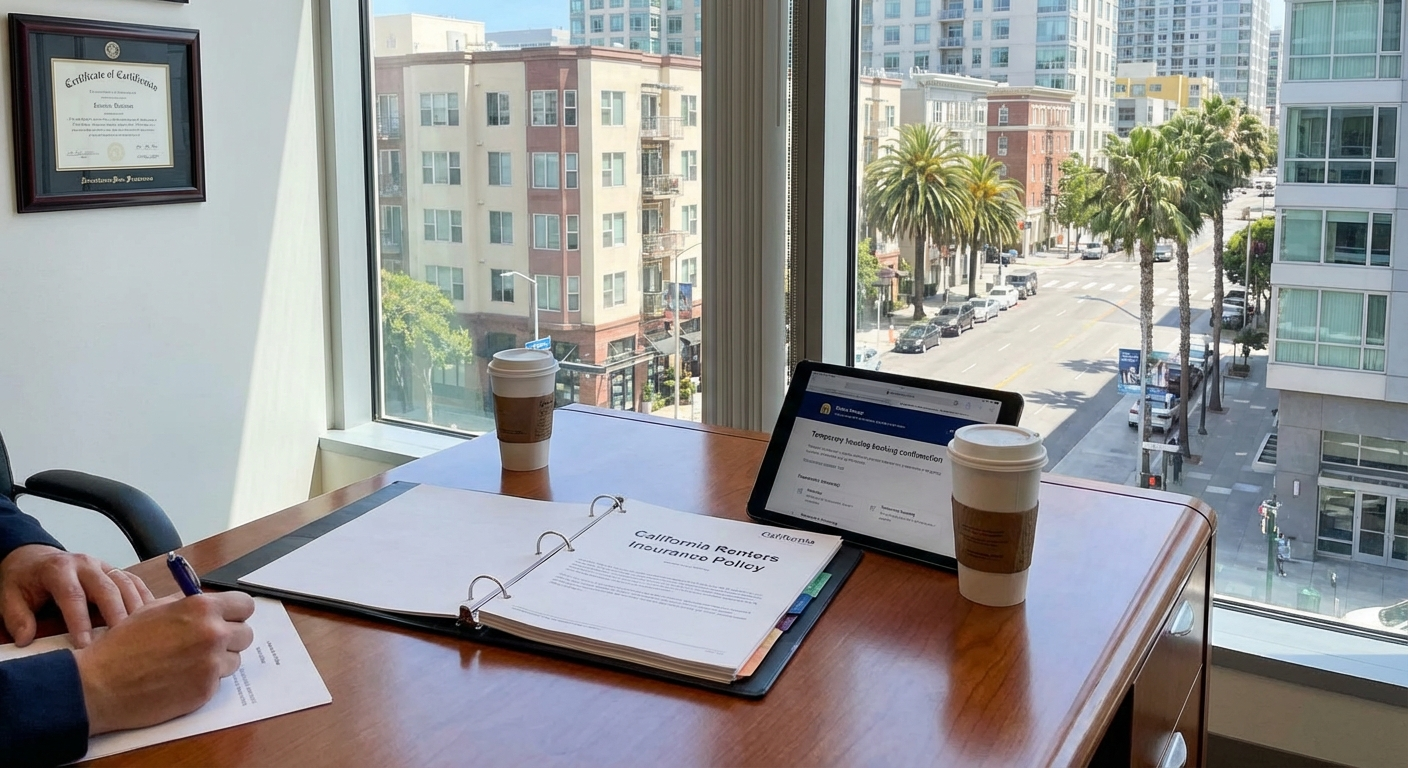
California Living: Why ALE Is a Must-Have Here
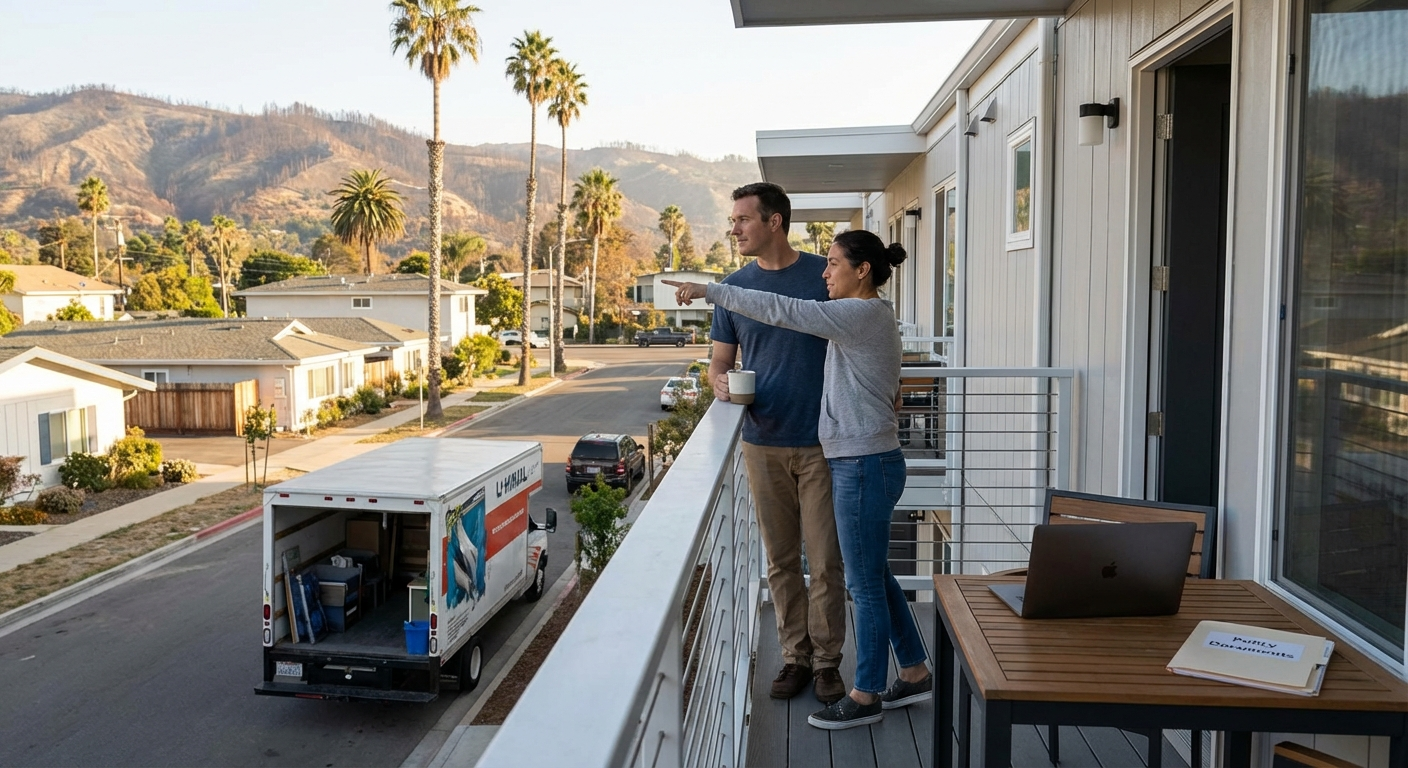
Living in California means enjoying incredible weather and vibrant communities, but it also means dealing with unique challenges. Fires, for instance, are a constant threat. Just think about the devastations in Paradise or the ongoing risk to communities in the Santa Cruz Mountains, the Inland Empire, or even the hills overlooking Los Angeles. A mandatory evacuation order, even if your apartment isn’t directly damaged, can still trigger your ALE coverage because you’re legally unable to live there.
Which brings up something most people miss. It’s not just catastrophic damage that counts. Sometimes, a smaller incident, like a kitchen fire in a neighboring unit that fills your apartment with smoke, can make your place temporarily uninhabitable. Or maybe a tree falls on your building after a storm, requiring extensive repairs. You’re not just out of a home; you’re suddenly facing unexpected bills.
A few years ago, I heard from a client in Santa Clarita who had a small fire in her kitchen. The damage itself wasn’t huge, but the smoke and water from the sprinklers made the apartment unlivable for nearly two months. Her ALE coverage paid for a hotel room, meals out, and even laundry service. Without it, she told me, she would have been completely overwhelmed, both financially and emotionally.
What Does ALE Actually Pay For?
When your rental becomes uninhabitable due to a covered event, ALE steps in to cover the difference between your normal living expenses and your *temporary* living expenses.
Let’s get specific. What kind of costs are we talking about?
* **Temporary Housing:** This is often the biggest one. Think hotel stays, motels, or even a short-term rental like an Airbnb or another apartment while your place is being fixed up.
* **Food Costs:** If you normally cook at home but now have to eat out because you don’t have a kitchen, your policy can cover the *increase* in your food expenses. They won’t pay for fancy dinners every night, but they’ll cover the difference from your usual grocery bill.
* **Laundry Services:** No in-unit laundry? No problem. The cost of using a laundromat or a wash-and-fold service can be covered.
* **Transportation:** If you suddenly have a longer commute because of your temporary housing, the extra gas or public transport fares might be reimbursed.
* **Pet Boarding:** For many of us, pets are family. If your furry friend needs a place to stay while you’re displaced, ALE can help with boarding costs.
* **Storage:** You might need to temporarily store your belongings if your apartment needs extensive repairs and you’re moving into a smaller space.
Here’s the catch: ALE isn’t designed to pay for your *normal* monthly rent. You still owe your landlord that. But it *does* pay for the *extra* cost of living somewhere else. So, if your rent is $2,500 a month, and your temporary apartment costs $3,500, ALE could cover that additional $1,000. Big difference.
What ALE Doesn’t Cover – And Why It Matters
It’s easy to misunderstand what ALE will or won’t do. For starters, it won’t cover your regular rent or mortgage payments. Those are ongoing obligations. It also won’t cover non-essential upgrades to your temporary living situation. Think of it this way: if you normally live in a studio and decide to rent a three-bedroom house while displaced, your insurer will likely only cover the reasonable cost of a studio-equivalent temporary home.
Lost wages are another common misconception. If you miss work because of the displacement, ALE won’t replace your income. That’s a different type of insurance altogether.
Most importantly, your ALE coverage only kicks in for *covered perils*. If your apartment becomes uninhabitable due to a flood, but your policy doesn’t include flood insurance (which renters policies typically don’t unless you add a specific endorsement), then ALE wouldn’t apply. Same goes for earthquakes – a separate policy or endorsement is usually required. This is why understanding your policy’s perils is so important.
How Much ALE Do You Really Need?
This is where it gets interesting. Most renters insurance policies offer ALE coverage as a percentage of your personal property coverage, often 20% or 40%. So, if you have $30,000 in personal property coverage, 20% ALE would give you $6,000 to work with. Some policies offer a specific dollar amount, say $5,000 or $10,000.
Is that enough? Maybe. Maybe not.
Think about your lifestyle. Do you have a family? Pets? Do you live in an expensive area like Santa Monica or San Francisco where a modest hotel room runs $300 a night? How long do you think it would take to repair your apartment or find a new one if disaster struck? In California, especially after a major event like the hypothetical 2025 LA fires, contractors are swamped, and repairs can take months. Finding a new rental can be a nightmare in a tight housing market.
Honestly, many people underestimate these costs. A few weeks in a hotel, plus food, laundry, and pet boarding, can easily chew through $5,000. If you’re displaced for three months, that initial 20% might feel woefully insufficient.
You’ll also want to consider the “period of restoration.” This is the time frame your insurance company will pay for ALE. It typically lasts until your dwelling is repaired or until you find a new permanent residence, whichever comes first. There’s usually a maximum time limit, often 12 or 24 months.
Navigating a Claim: What to Do When Disaster Strikes
The moment you realize you can’t live in your rental, contact your insurance provider. They’ll guide you through the process.
But here’s a pro tip: keep every single receipt. Every hotel bill, every restaurant receipt that shows the *extra* cost above what you’d normally spend on groceries, every laundromat slip. Documentation is your best friend when making an ALE claim. Take photos and videos of the damage, too. This helps establish why your home is uninhabitable.
Your insurance adjuster will work with you to determine reasonable expenses. They’ll look at your normal living costs to figure out the “additional” part. Staying organized and communicating clearly will make the whole process much smoother.
Finding the Right Fit for Your California Life
Choosing the right renters insurance, especially when it comes to ALE, isn’t a one-size-fits-all situation. It depends on where you live, your personal belongings, and your comfort level with potential displacement.
That’s where someone like Karl Susman at Affordable Renters Insurance California comes in handy. With CA License #OB75129, Karl has spent years helping Californians understand these nuances. He can walk you through different policy options from companies like State Farm, AAA, and Farmers, and help you figure out what level of ALE coverage makes sense for *your* life. It’s not just about getting a policy; it’s about getting the *right* policy.
Don’t wait for disaster to strike to think about this. A few minutes now can save you immense stress and financial hardship later.
Ready to explore your options and get peace of mind? Get a renters insurance quote today!
Getting solid renters insurance with good ALE coverage is a smart move for any Californian. It’s about protecting your financial stability and giving yourself one less thing to worry about when life throws you a curveball. It’s a small investment for a potentially huge return in comfort and security.
Want to learn more about protecting your rental and your wallet? Click here to get a personalized renters insurance quote.
Frequently Asked Questions About Renters Insurance and Additional Living Expenses
Q: Will my landlord’s insurance cover my additional living expenses if my apartment becomes unlivable?
A: No. Your landlord’s insurance policy covers the building itself and their liability, but it offers no protection for your personal belongings or your living expenses if you’re displaced. That’s why renters insurance is so important for you.
Q: Is there a deductible for Additional Living Expenses coverage?
A: Typically, no. While your personal property coverage usually has a deductible you must pay before your insurer pays out, ALE coverage often doesn’t have one. However, the overall policy will still have a limit on how much they will pay for ALE.
Q: What if I have to evacuate due to a wildfire, but my apartment isn’t actually damaged? Does ALE still apply?
A: Yes, in most cases! If a civil authority (like local government or fire department) issues a mandatory evacuation order for your area due to a covered peril (like a wildfire), your ALE coverage usually kicks in, even if your specific unit isn’t directly damaged. You’re unable to live there, and that’s what counts.
Q: How long will my insurance company pay for Additional Living Expenses?
A: Most policies have a “period of restoration” clause. This means they will pay for ALE for the shortest amount of time it takes to repair your dwelling or for you to find a new permanent residence, up to a maximum time limit specified in your policy (often 12 or 24 months). There’s also a total dollar limit, as discussed earlier.
This article is for informational purposes only and does not constitute financial advice.