
What Even *Is* a Townhouse in California, Anyway?
If you’re renting a townhouse in California, you’re not alone. Lots of folks love them. They often feel more like a home than an apartment, maybe with a small yard or a private entrance. But here’s where it gets interesting: from an insurance perspective, a townhouse sits in a bit of a gray area, not quite an apartment, not quite a single-family home.
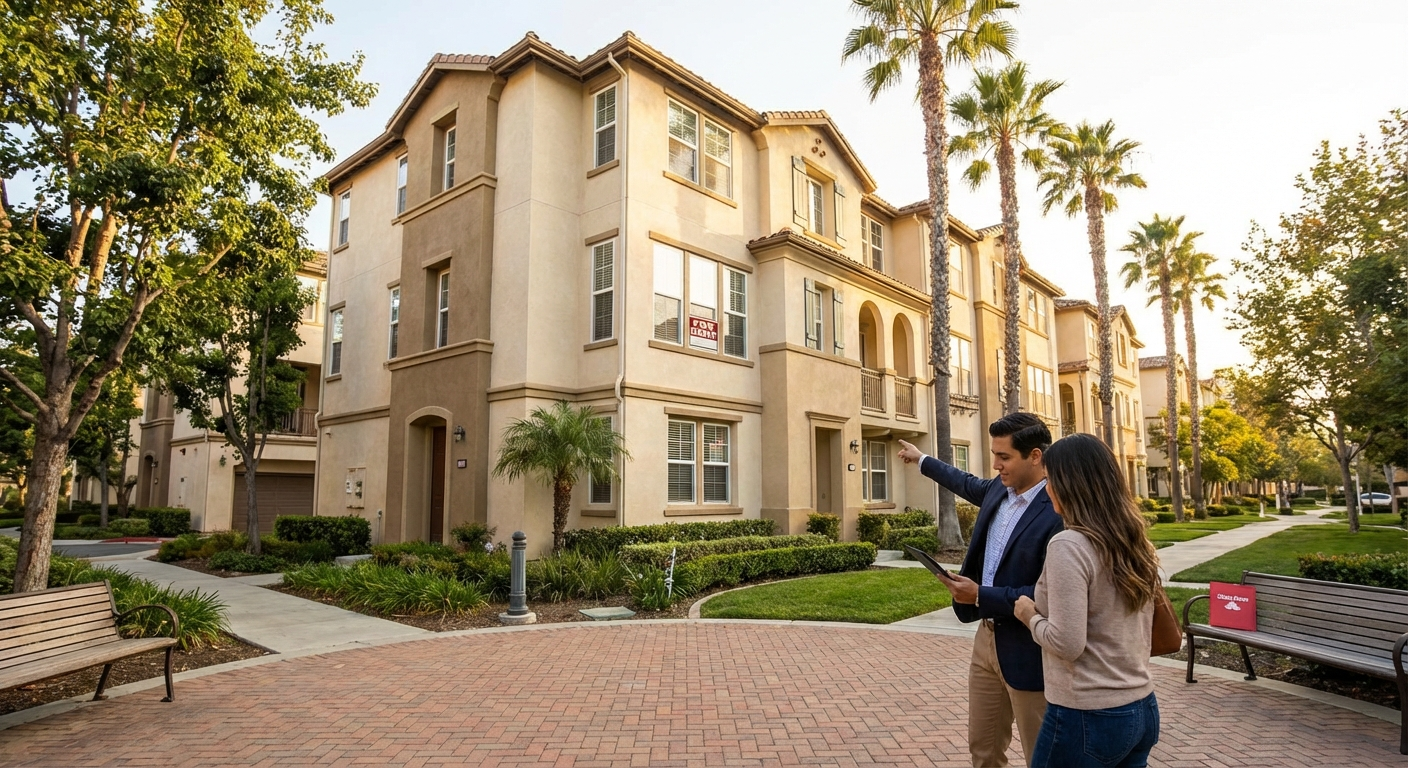
Think about it this way: when you rent a typical apartment, your landlord generally owns the whole building, from the roof down to the foundation. Your lease covers your unit. For a townhouse, the setup can be a little different. Often, the landlord owns the specific unit you’re living in, including the interior walls and fixtures, and sometimes even a small plot of land directly attached to it. But the exterior walls, the roof, the common areas like shared driveways, pools, or clubhouses? Those usually belong to a homeowners’ association (HOA). And the HOA, or your landlord, has their own insurance policies.
That distinction matters a lot. For most renters, the biggest misconception is that the landlord’s insurance or the HOA’s master policy somehow covers *your* belongings. It absolutely doesn’t. Not even a little. Their policies protect the *structure* of the building – the physical brick and mortar, the pipes, the roof – and their own liability. Your favorite couch, your laptop, your clothes, your sentimental family photos? Those are all on you.
Why Your Landlord’s Policy Isn’t Enough (And Never Will Be)
You might be thinking, “My landlord has insurance, so I’m good.” Or perhaps, “The HOA covers everything, right?” Nope. This is probably the most common and dangerous assumption people make when renting a townhouse anywhere, but especially here in California, where property values and potential risks are high.
Your landlord’s policy is designed to protect *their* investment. If a fire rips through your building in, say, Ventura County, their insurance will help them rebuild the structure. It might cover their lost rental income. But it won’t replace your burned-up furniture. It won’t buy you new clothes. It won’t cover the cost of staying in a hotel while the repairs happen. That’s a financial hit you’d have to shoulder entirely on your own.
Which brings up something most people miss: it’s not just about your stuff. What if someone slips and falls inside your townhouse? Maybe they trip over a rug, or your dog gets a little too friendly and nips a guest. Who pays their medical bills? What if they decide to sue you? Your landlord’s policy won’t step in to cover *your* personal liability for an incident that happens within your rented space. That’s a huge blind spot, and it can leave you financially exposed to thousands, even hundreds of thousands, of dollars in legal fees and damages.
“But I’m So Careful!” – The Unexpected Disasters
Honestly, no one plans for a disaster. We all try to be careful. But life, especially in California, has a way of throwing curveballs.
Think about the ever-present threat of wildfires. We see them every year, tearing through communities from the Santa Cruz mountains to the Inland Empire. If a wildfire sweeps through your neighborhood and damages your townhouse, your landlord’s policy will address the structure. Your renters insurance, however, would be the one replacing your belongings and covering your temporary housing.
Or consider something less dramatic but just as common: theft. Burglaries happen, even in seemingly safe neighborhoods. Imagine coming home to your townhouse in the Valley only to find your electronics gone, your jewelry missing. That’s a terrible feeling. Without renters insurance, you’re staring at a total loss.
But wait — what about water damage? A burst pipe in your wall, an overflowing bathtub in the unit above you, a leaky roof that the HOA is slow to fix. Water can wreak havoc on furniture, electronics, and keepsakes. Your landlord’s policy might cover the pipe repair, but not your ruined sofa.
What Renters Insurance *Actually* Covers for Your Townhouse
So, what exactly does a renters insurance policy do? It’s pretty straightforward, covering three main areas that are absolutely essential for anyone renting a townhouse.
First, there’s **Personal Property coverage**. This is the big one for your stuff. It pays to replace your belongings if they’re damaged, destroyed, or stolen due to a covered event. We’re talking about everything from your couch, bed, and dining table to your clothes, electronics, kitchenware, and even those dusty old books you’ve been meaning to read. When you’re looking at policies, you’ll often see two types of coverage here: Actual Cash Value (ACV) and Replacement Cost Value (RCV). ACV pays you what your item is worth *today*, factoring in depreciation. RCV, on the other hand, pays you what it would cost to buy a brand-new version of that item. Most people prefer RCV because it means you can actually replace your things without digging into your own pockets for the difference.
Second, you get **Personal Liability coverage**. This is your financial shield. If someone gets hurt inside your rented townhouse, or if you accidentally cause damage to someone else’s property – say, your kid breaks a neighbor’s window playing baseball – this coverage steps in. It’ll cover legal fees, medical expenses, and any judgments or settlements up to your policy limits. Many policies start around $100,000 in liability coverage, but honestly, for most folks, bumping that up to $300,000 or even $500,000 gives a lot more peace of mind, especially in a litigious state like California.
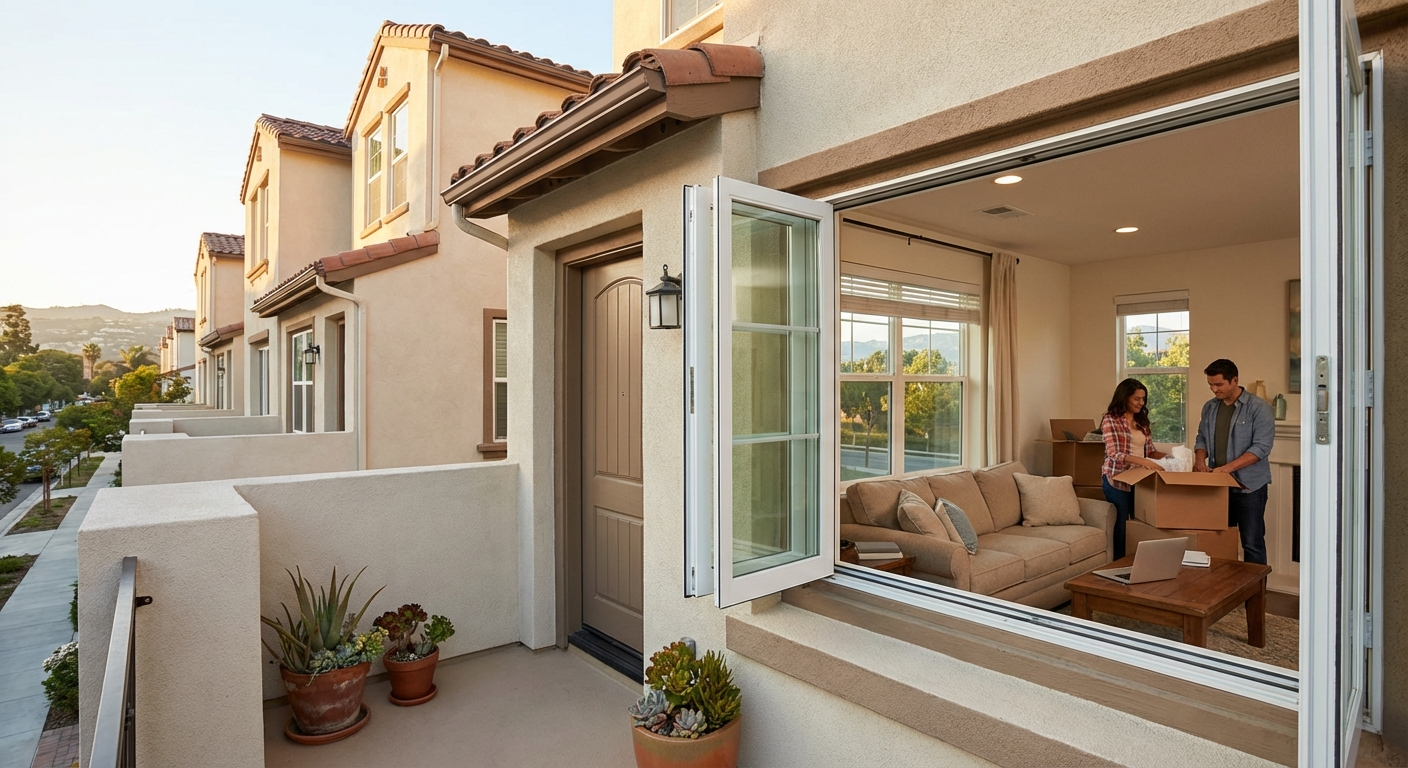
Finally, there’s **Additional Living Expenses (ALE)**, sometimes called Loss of Use. If a covered event – like a fire, or even a widespread power outage after a storm that makes your home unlivable – forces you out of your townhouse, ALE coverage pays for your temporary living costs. This could include a hotel room, meals, laundry services, or even a temporary rental apartment. Imagine an earthquake hitting the Bay Area and making your place unsafe for weeks. ALE means you won’t be scrambling to figure out where to sleep or how to eat.
The California Twist: Special Considerations for Townhouse Renters
Renting a townhouse in California comes with its own unique set of insurance quirks. It’s not just about standard risks; it’s about *California* risks.
Earthquakes, for example. We live on shaky ground. While standard renters insurance policies *don’t* cover earthquake damage, you can usually add an **earthquake endorsement** to your policy. It’s a separate coverage, and it’s something many Californians seriously consider, especially with all the “Big One” talk.
Wildfires, as we mentioned, are also a major concern. While most standard renters policies *do* cover fire damage, the *cost* of that coverage, and even the availability, is changing rapidly in California. With insurers like State Farm and AAA pulling back from certain markets, and the state’s FAIR Plan stepping in as an “insurer of last resort,” it’s becoming more important than ever to understand your options.
Here’s where it gets interesting: high-value items. If you have expensive jewelry, fine art, rare collectibles, or even high-end camera equipment, your standard personal property coverage might have **sub-limits** for these categories. That means they’ll only pay up to a certain amount, like $1,500 for jewelry, even if your total personal property coverage is $50,000. For these items, you’ll want to look into adding a “floater” or “scheduled personal property” endorsement to ensure they’re fully protected.
Many townhouse communities are governed by an HOA, and those HOAs often have rules. One common rule? They might *mandate* that you carry renters insurance as part of your lease agreement. It protects them, but it also protects you. So, always check your lease.
And speaking of costs, insurance premiums across California have been on the rise. Some folks have seen premiums jump 20-40% between 2022 and 2024 for various types of policies. This trend impacts renters insurance too, so getting a quote and understanding your options is more important than ever.
How Much Does This Really Cost? (And How to Save a Few Bucks)
The short answer is: it varies. The real answer is more complicated. Renters insurance in California is generally quite affordable, especially when you consider the protection it offers. But there isn’t a single price tag.
Three things drive your premium up or down. First, your **location**. Renting a townhouse in a higher-crime area of San Bernardino will likely have a different premium than one in a lower-risk part of Orange County. Proximity to wildfire zones or specific flood plains can also play a role. Second, your **coverage limits and deductible**. A higher deductible (the amount you pay out-of-pocket before your insurance kicks in) usually means a lower premium. More coverage, naturally, costs a bit more. Finally, the **insurance company itself**. Different insurers, like Farmers or smaller regional carriers, have different pricing models.
But here’s the thing: you can often snag some discounts. If you bundle your renters insurance with your auto policy, many insurers will give you a break on both. Having a security system, smoke detectors, or even just good credit (though California has some regulations about how credit scores are used in insurance pricing) can sometimes qualify you for a discount. It always pays to ask.
Getting a Quote is Easier Than You Think
Honestly, finding the right renters insurance for your California townhouse doesn’t have to be a headache. You don’t need to spend hours comparing policies yourself. An independent agent, like Karl Susman at Affordable Renters Insurance California, with CA License #OB75129, can do the legwork for you, checking with multiple carriers to find a policy that fits your needs and budget.
Ready to see how affordable peace of mind can be? Get a Renters Insurance Quote Today!
Common Questions About Renters Insurance in a California Townhouse
- Is renters insurance required by law in California? No, the state doesn’t mandate it. But many landlords and HOA agreements *do* require it as a condition of your lease. Always check your rental agreement.
- Does my renters policy cover my roommate’s stuff? Not usually. Your policy covers *your* personal property. If you have a roommate, they’ll typically need to get their own renters insurance policy to protect their belongings and cover their own personal liability.
- What if I work from home? Does my renters insurance cover my business equipment? It might, but often with limitations. Standard policies usually have lower sub-limits for business-related property. If you have expensive equipment for your home business, you might need a specific endorsement or a separate business policy to ensure it’s fully covered.
- What about my car parked outside my townhouse? Is that covered by renters insurance? No. Renters insurance covers your personal property *inside* your rented dwelling and your personal liability. Your car, whether it’s parked in your driveway or on the street, is covered by your auto insurance policy.
- How much liability coverage do I really need? Most experts recommend at least $100,000 in personal liability coverage. However, in California, where lawsuits can be costly, many people opt for $300,000 or even $500,000 for better protection against potential claims. It’s a small jump in premium for a lot more security.
Don’t Wait Until It’s Too Late
Protecting your belongings and your financial future shouldn’t be an afterthought when you’re renting a townhouse in California. It’s not just about replacing a broken TV. It’s about recovering from a major disruption, avoiding crippling legal bills, and maintaining your financial stability. For a relatively small investment, renters insurance provides a huge amount of security and peace of mind.
Don’t leave yourself exposed to the unexpected. Protect Your California Townhouse Today!
This article is for informational purposes only and does not constitute financial advice.
“`
“`
“`
“`
“`
“`
“`
“`
“`
“`
“`
“`
“`
“`
“`
“`
“`
“`
“`
“`
“`
“`
“`
“`
“`
“`
“`
“`
“`
“`
“`
“`
“`
“`
“`
“`
“`
“`
“`
“`
“`
“`
“`
“`
“`
“`
“`
“`
“`
“`
“`
“`
“`
“`
“`
“`
“`
“`
“`
“`
“`
“`
“`
“`
“`
“`
“`
“`
“`
“`
“`
“`
“`
“`
“`
“`
“`
“`
“`
“`
“`
“`
“`
“`
“`
“`
“`
“`
“`
“`
“`
“`
“`
“`
“`
“`
“`
“`
“`
“`
“`
“`
“`
“`
“`
“`
“`
“`
“`
“`
“`
“`
“`
“`
“`
“`
“`
“`
“`
“`
“`
“`
“`
“`
“`
“`
“`
“`
“`
“`
“`
“`
“`
“`
“`
“`
“`
“`
“`
“`
“`
“`
“`
“`
“`
“`
“`
“`
“`
“`
“`
“`
“`
“`
“`
“`
“`
“`
“`
“`
“`
“`
“`
“`
“`
“`
“`
“`
“`
“`
“`
“`
“`
“`
“`
“`
“`
“`
“`
“`
“`
“`
“`
“`
“`
“`
“`
“`
“`
“`
“`
“`
“`
“`
“`
“`
“`
“`
“`
“`
“`
“`
“`
“`
“`
“`
“`
“`
“`
“`
“`
“`
“`
“`
“`
“`
“`
“`
“`
“`
“`
“`
“`
“`
“`
“`
“`
“`
“`
“`
“`
“`
“`
“`
“`
“`
“`
“`
“`
“`
“`
“`
“`
“`
“`
“`
“`
“`
“`
“`
“`
“`
“`
“`
“`
“`
“`
“`
“`
“`
“`
“`
“`
“`
“`
“`
“`
“`
“`
“`
“`
“`
“`
“`
“`
“`
“`
“`
“`
“`
“`
“`
“`
“`
“`
“`
“`
“`
“`
“`
“`
“`
“`
“`
“`
“`
“`
“`
“`
“`
“`
“`
“`
“`
“`
“`
“`
“`
“`
“`
“`
“`
“`
“`
“`
“`
“`
“`
“`
“`
“`
“`
“`
“`
“`
“`
“`
“`
“`
“`
“`
“`
“`
“`
“`
“`
“`
“`
“`
“`
“`
“`
“`
“`
“`
“`
“`
“`
“`
“`
“`
“`
“`
“`
“`
“`
“`
“`
“`
“`
“`
“`
“`
“`
“`
“`
“`
“`
“`
“`
“`
“`
“`
“`
“`
“`
“`
“`
“`
“`
“`
“`
“`
“`
“`
“`
“`
“`
“`
“`
“`
“`
“`
“`
“`
“`
“`
“`
“`
“`
“`
“`
“`
“`
“`
“`
“`
“`
“`
“`
“`
“`
“`
“`
“`
“`
“`
“`
“`
“`
“`
“`
“`
“`
“`
“`
“`
“`
“`
“`
“`
“`
“`
“`
“`
“`
“`
“`
“`
“`
“`
“`
“`
“`
“`
“`
“`
“`
“`
“`
“`
“`
“`
“`
“`
“`
“`
“`
“`
“`
“`
“`
“`
“`
“`
“`
“`
“`
“`
“`
“`
“`
“`
“`
“`
“`
“`
“`
“`
“`
“`
“`
“`
“`
“`
“`
“`
“`
“`
“`
“`
“`
“`
“`
“`
“`
“`
“`
“`
“`
“`
“`
“`
“`
“`
“`
“`
“`
“`
“`
“`
“`
“`
“`
“`
“`
“`
“`
“`
“`
“`
“`
“`
“`
“`
“`
“`
“`
“`
“`
“`
“`
“`
“`
“`
“`
“`
“`
“`
“`
“`
“`
“`
“`
“`
“`
“`
“`
“`
“`
“`
“`
“`
“`
“`
“`
“`
“`
“`
“`
“`
“`
“`
“`
“`
“`
“`
“`
“`
“`
“`
“`
“`
“`
“`
“`
“`
“`
“`
“`
“`
“`
“`
“`
“`
“`
“`
“`
“`
“`
“`
“`
“`
“`
“`
“`
“`
“`
“`
“`
“`
“`
“`
“`
“`
“`
“`
“`
“`
“`
“`
“`
“`
“`
“`
“`
“`
“`
“`
“`
“`
“`
“`
“`
“`
“`
“`
“`
“`
“`
“`
“`
“`
“`
“`
“`
“`
“`
“`
“`
“`
“`
“`
“`
“`
“`
“`
“`
“`
“`
“`
“`
“`
“`
“`
“`
“`
“`
“`
“`
“`
“`
“`
“`
“`
“`
“`
“`
“`
“`
“`
“`
“`
“`
“`
“`
“`
“`
“`
“`
“`
“`
“`
“`
“`
“`
“`
“`
“`
“`
“`
“`
“`
“`
“`
“`
“`
“`
“`
“`
“`
“`
“`
“`
“`
“`
“`
“`
“`
“`
“`
“`
“`
“`
“`
“`
“`
“`
“`
“`
“`
“`
“`
“`
“`
“`
“`
“`
“`
“`
“`
“`
“`
“`
“`
“`
“`
“`
“`
“`
“`
“`
“`
“`
“`
“`
“`
“`
“`
“`
“`
“`
“`
“`
“`
“`
“`
“`
“`
“`
“`
“`
“`
“`
“`
“`
“`
“`
“`
“`
“`
“`
“`
“`
“`
“`
“`
“`
“`
“`
“`
“`
“`
“`
“`
“`
“`
“`
“`
“`
“`
“`
“`
“`
“`
“`
“`
“`
“`
“`
“`
“`
“`
“`
“`
“`
“`
“`
“`
“`
“`
“`
“`
“`
“`
“`
“`
“`
“`
“`
“`
“`
“`
“`
“`
“`
“`
“`
“`
“`
“`
“`
“`
“`
“`
“`
“`
“`
“`
“`
“`
“`
“`
“`
“`
“`
“`
“`
“`
“`
“`
“`
“`
“`
“`
“`
“`
“`
“`
“`
“`
“`
“`
“`
“`
“`
“`
“`
“`
“`
“`
“`
“`
“`
“`
“`
“`
“`
“`
“`
“`
“`
“`
“`
“`
“`
“`
“`
“`
“`
“`
“`
“`
“`
“`
“`
“`
“`
“`
“`
“`
“`
“`
“`
“`
“`
“`
“`
“`
“`
“`
“`
“`
“`
“`
“`
“`
“`
“`
“`
“`
“`
“`
“`
“`
“`
“`
“`
“`
“`
“`
“`
“`
“`
“`
“`
“`
“`
“`
“`
“`
“`
“`
“`
“`
“`
“`
“`
“`
“`
“`
“`
“`
“`
“`
“`
“`
“`
“`
“`
“`
“`
“`
“`
“`
“`
“`
“`
“`
“`
“`
“`
“`
“`
“`
“`
“`
“`
“`
“`
“`
“`
“`
“`
“`
“`
“`
“`
“`
“`
“`
“`
“`
“`
“`
“`
“`
“`
“`
“`
“`
“`
“`
“`
“`
“`
“`
“`
“`
“`
“`
“`
“`
“`
“`
“`
“`
“`
“`
“`
“`
“`
“`
“`
“`
“`
“`
“`
“`
“`
“`
“`
“`
“`
“`
“`
“`
“`
“`
“`
“`
“`
“`
“`
“`
“`
“`
“`
“`
“`
“`
“`
“`
“`
“`
“`
“`
“`
“`
“`
“`
“`
“`
“`
“`
“`
“`
“`
“`
“`
“`
“`
“`
“`
“`
“`
“`
“`
“`
“`
“`
“`
“`
“`
“`
“`
“`
“`
“`
“`
“`
“`
“`
“`
“`
“`
“`
“`
“`
“`
“`
“`
“`
“`
“`
“`
“`
“`
“`
“`
“`
“`
“`
“`
“`
“`
“`
“`
“`
“`
“`
“`
“`
“`
“`
“`
“`
“`
“`
“`
“`
“`
“`
“`
“`
“`
“`
“`
“`
“`
“`
“`
“`
“`
“`
“`
“`
“`
“`
“`
“`
“`
“`
“`
“`
“`
“`
“`
“`
“`
“`
“`
“`
“`
“`
“`
“`
“`
“`
“`
“`
“`
“`
“`
“`
“`
“`
“`
“`
“`
“`
“`
“`
“`
“`
“`
“`
“`
“`
“`
“`
“`
“`
“`
“`
“`
“`
“`
“`
“`
“`
“`
“`
“`
“`
“`
“`
“`
“`
“`
“`
“`
“`
“`
“`
“`
“`
“`
“`
“`
“`
“`
“`
“`
“`
“`
“`
“`
“`
“`
“`
“`
“`
“`
“`
“`
“`
“`
“`
“`
“`
“`
“`
“`
“`
“`
“`
“`
“`
“`
“`
“`
“`
“`
“`
“`
“`
“`
“`
“`
“`
“`
“`
“`
“`
“`
“`
“`
“`
“`
“`
“`
“`
“`
“`
“`
“`
“`
“`
“`
“`
“`
“`
“`
“`
“`
“`
“`
“`
“`
“`
“`
“`
“`
“`
“`
“`
“`
“`
“`
“`
“`
“`
“`
“`
“`
“`
“`
“`
“`
“`
“`
“`
“`
“`
“`
“`
“`
“`
“`
“`
“`
“`
“`
“`
“`
“`
“`
“`
“`
“`
“`
“`
“`
“`
“`
“`
“`
“`
“`
“`
“`
“`
“`
“`
“`
“`
“`
“`
“`
“`
“`
“`
“`
“`
“`
“`
“`
“`
“`
“`
“`
“`
“`
“`
“`
“`
“`
“`
“`
“`
“`
“`
“`
“`
“`
“`
“`
“`
“`
“`
“`
“`
“`
“`
“`
“`
“`
“`
“`
“`
“`
“`
“`
“`
“`
“`
“`
“`
“`
“`
“`
“`
“`
“`
“`
“`
“`
“`
“`
“`
“`
“`
“`
“`
“`
“`
“`
“`
“`
“`
“`
“`
“`
“`
“`
“`
“`
“`
“`
“`
“`
“`
“`
“`
“`
“`
“`
“`
“`
“`
“`
“`
“`
“`
“`
“`
“`
“`
“`
“`
“`
“`
“`
“`
“`
“`
“`
“`
“`
“`
“`
“`
“`
“`
“`
“`
“`
“`
“`
“`
“`
“`
“`
“`
“`
“`
“`
“`
“`
“`
“`
“`
“`
“`
“`
“`
“`
“`
“`
“`
“`
“`
“`
“`
“`
“`
“`
“`
“`
“`
“`
“`
“`
“`
“`
“`
“`
“`
“`
“`
“`
“`
“`
“`
“`
“`
“`
“`
“`
“`
“`
“`
“`
“`
“`
“`
“`
“`
“`
“`
“`
“`
“`
“`
“`
“`
“`
“`
“`
“`
“`
“`
“`
“`
“`
“`
“`
“`
“`
“`
“`
“`
“`
“`
“`
“`
“`
“`
“`
“`
“`
“`
“`
“`
“`
“`
“`
“`
“`
“`
“`
“`
“`
“`
“`
“`
“`
“`
“`
“`
“`
“`
“`
“`
“`
“`
“`
“`
“`
“`
“`
“`
“`
“`
“`
“`
“`
“`
“`
“`
“`
“`
“`
“`
“`
“`
“`
“`
“`
“`
“`
“`
“`
“`
“`
“`
“`
“`
“`
“`
“`
“`
“`
“`
“`
“`
“`
“`
“`
“`
“`
“`
“`
“`
“`
“`
“`
“`
“`
“`
“`
“`
“`
“`
“`
“`
“`
“`
“`
“`
“`
“`
“`
“`
“`
“`
“`
“`
“`
“`
“`
“`
“`
“`
“`
“`
“`
“`
“`
“`
“`
“`
“`
“`
“`
“`
“`
“`
“`
“`
“`
“`
“`
“`
“`
“`
“`
“`
“`
“`
“`
“`
“`
“`
“`
“`
“`
“`
“`
“`
“`
“`
“`
“`
“`
“`
“`
“`
“`
“`
“`
“`
“`
“`
“`
“`
“`
“`
“`
“`
“`
“`
“`
“`
“`
“`
“`
“`
“`
“`
“`
“`
“`
“`
“`
“`
“`
“`
“`
“`
“`
“`
“`
“`
“`
“`
“`
“`
“`
“`
“`
“`
“`
“`
“`
“`
“`
“`
“`
“`
“`
“`
“`
“`
“`
“`
“`
“`
“`
“`
“`
“`
“`
“`
“`
“`
“`
“`
“`
“`
“`
“`
“`
“`
“`
“`
“`
“`
“`
“`
“`
“`
“`
“`
“`
“`
“`
“`
“`
“`
“`
“`
“`
“`
“`
“`
“`
“`
“`
“`
“`
“`
“`
“`
“`
“`
“`
“`
“`
“`
“`
“`
“`
“`
“`
“`
“`
“`
“`
“`
“`
“`
“`
“`
“`
“`
“`
“`
“`
“`
“`
“`
“`
“`
“`
“`
“`
“`
“`
“`
“`
“`
“`
“`
“`
“`
“`
“`
“`
“`
“`
“`
“`
“`
“`
“`
“`
“`
“`
“`
“`